
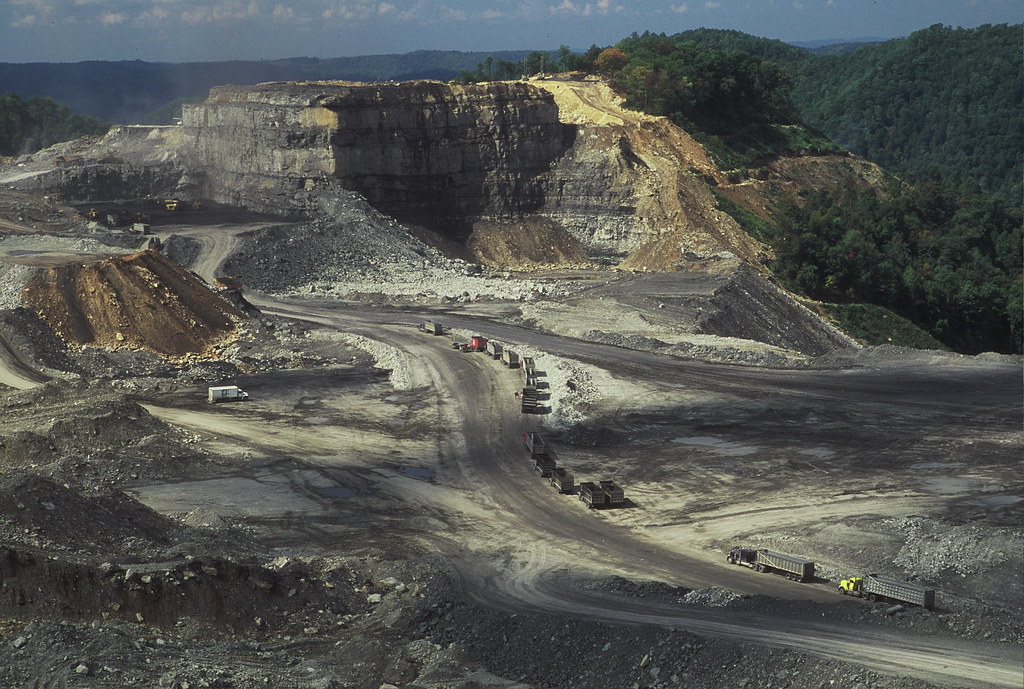
Photo credit The Sierra Club
Should FaceBook’s investors be worries that the site is sourcing energy for its new data center from primarily coal-fired power?
FaceBook is fourth largest web property (by unique visitor count) and well on its way to becoming third. It is valued in excess of $10 billion and its investors include Russian investment company DST, Accel Partners, Greylock Partners, Meritech Capital and Microsoft.
FaceBook announced last month that it would be locating its first data center in Prinville Oregon. The data center looks to be all singing and dancing on the efficiency front and is expected to have a Power Usage Effectiveness (PUE) rating of 1.15. So far so good.
However, it soon emerged that FaceBook are purchasing the electricity for their data center from Pacific Power, a utility owned by PacifiCorp, a utility whose primary power-generation fuel is coal!
Sourcing power from a company whose generation comes principally from coal is a very risky business and if there is anything that investors shy away from, it is risk!
Why is it risky?
Coal has significant negative environmental effects from its mining through to its burning to generate electricity contaminating waterways, destroying ecosystems, generation of hundreds of millions of tons of waste products, including fly ash, bottom ash, flue gas desulfurisation sludge, that contain mercury, uranium, thorium, arsenic, and other heavy metals and emitting massive amounts of radiation.
And let’s not forget that coal burning is the largest contributor to the human-made increase of CO2 in the air [PDF].
The US EPA recently ruled that:
current and projected concentrations of the six key well-mixed greenhouse gases–carbon dioxide (CO2), methane (CH4), nitrous oxide (N2O), hydrofluorocarbons (HFCs), perfluorocarbons (PFCs), and sulfur hexafluoride (SF6)–in the atmosphere threaten the public health and welfare of current and future generations.
Note the wording “the public health and welfare of current and future generations”
Who knows what legislation the EPA will pass in the coming months and years to control CO2 emissions from coal-fired power plants in the coming months and years – and the knock on effects this will have on costs.
Now think back to the litigation associated with asbestos – the longest and most expensive tort in US history. Then note that climate change litigation is gaining ground daily, the decision to go with coal as a primary power source starts to look decidedly shaky.
Then GreenPeace decided to wade in with a campaign and FaceBook page to shame FaceBook into reversing this decision. Not good for the compay image at all.
Finally, when you factor in the recent revolts by investors in Shell and BP to decisions likely to land the companies in hot water down the road for pollution, the investors in FaceBook should be asking some serious questions right about now.
Excellent post Tom, really well put forward.
Just as a small aside, it’s interesting to note that Texas is currently suing the EPA because they feel they need “to protect the Texas economy and the jobs that go with it” from the “public health and welfare of current and future generations” statement.
At present this has nothing to do with Oregon or Facebook, but you kind of get the feeling there’s an air of “damned if you do, damned if you don’t” starting to filter into the air!
I am very impressed with all the latest research and success in geothermal technology–tapping into the earths natural resources to heat and cool your home and even pools makes sense to me.